PRISCILLA TSE NOK IN — AI PRODUCTION COORDINATOR

AI production
for what’s next.

I am an AI production coordinator with four years of experience at Blink Production HK. I manage AI image and video projects from the initial brief and visual exploration through feedback, refinement and delivery. My toolkit includes Midjourney, Seedance, Kling, ComfyUI, Claude, Gemini, Magnific and DeepSeek, selected according to each project’s creative and production needs. I am especially interested in the intersection of generative media, digital culture and Web3. I understand how emerging tools become clear, useful content—and how strong coordination turns ambitious ideas into work that teams can confidently support, approve and share within a practical, commercial production setting.

NDA-SAFE SELECTED WORK

03 CASE STUDIES

INTERVIEW EDIT

(01)

HYBRID PRODUCTION / PHOTOGRAPHY + AI

From plain-screen capture to social-ready worlds
PROJECT CONTEXT

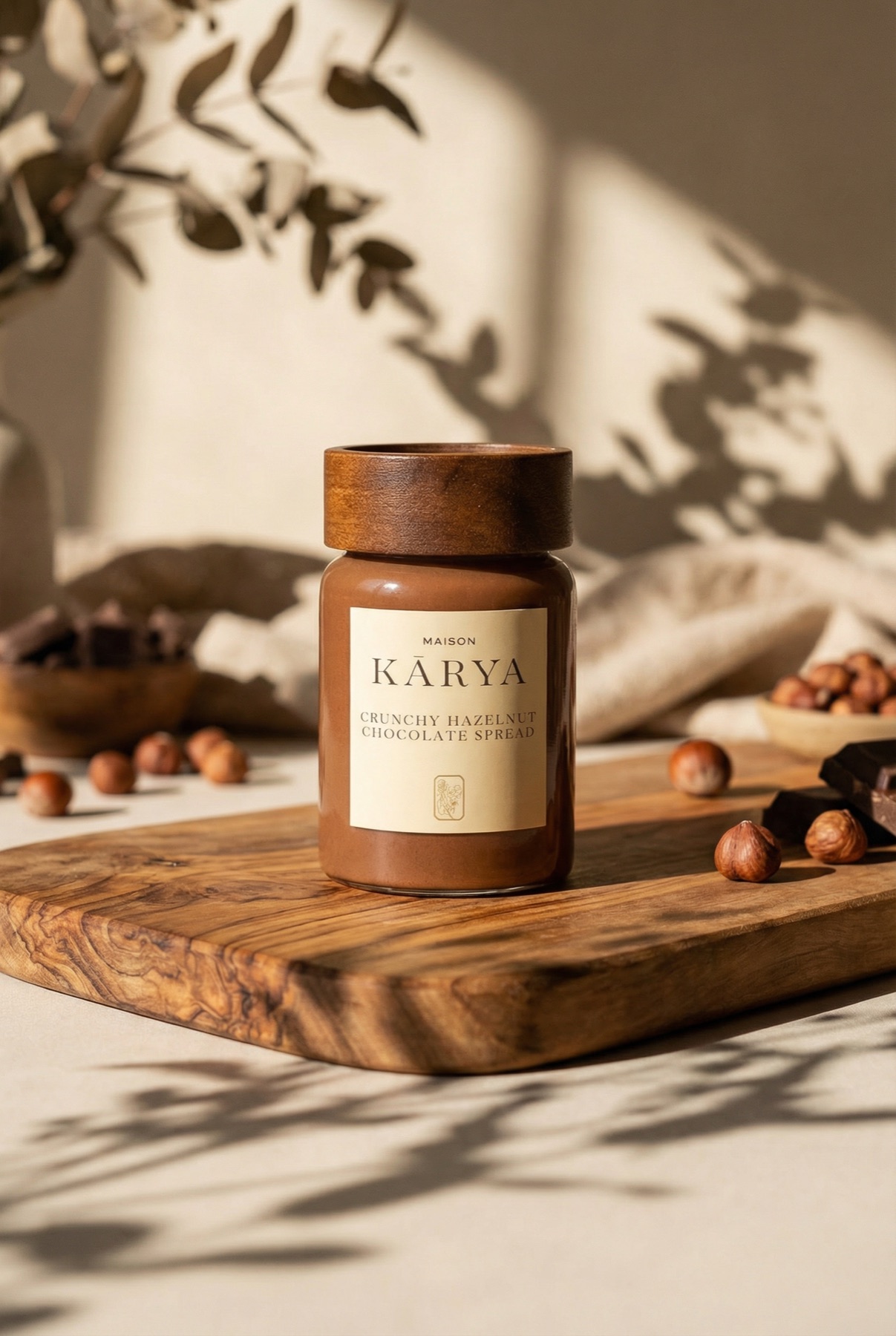
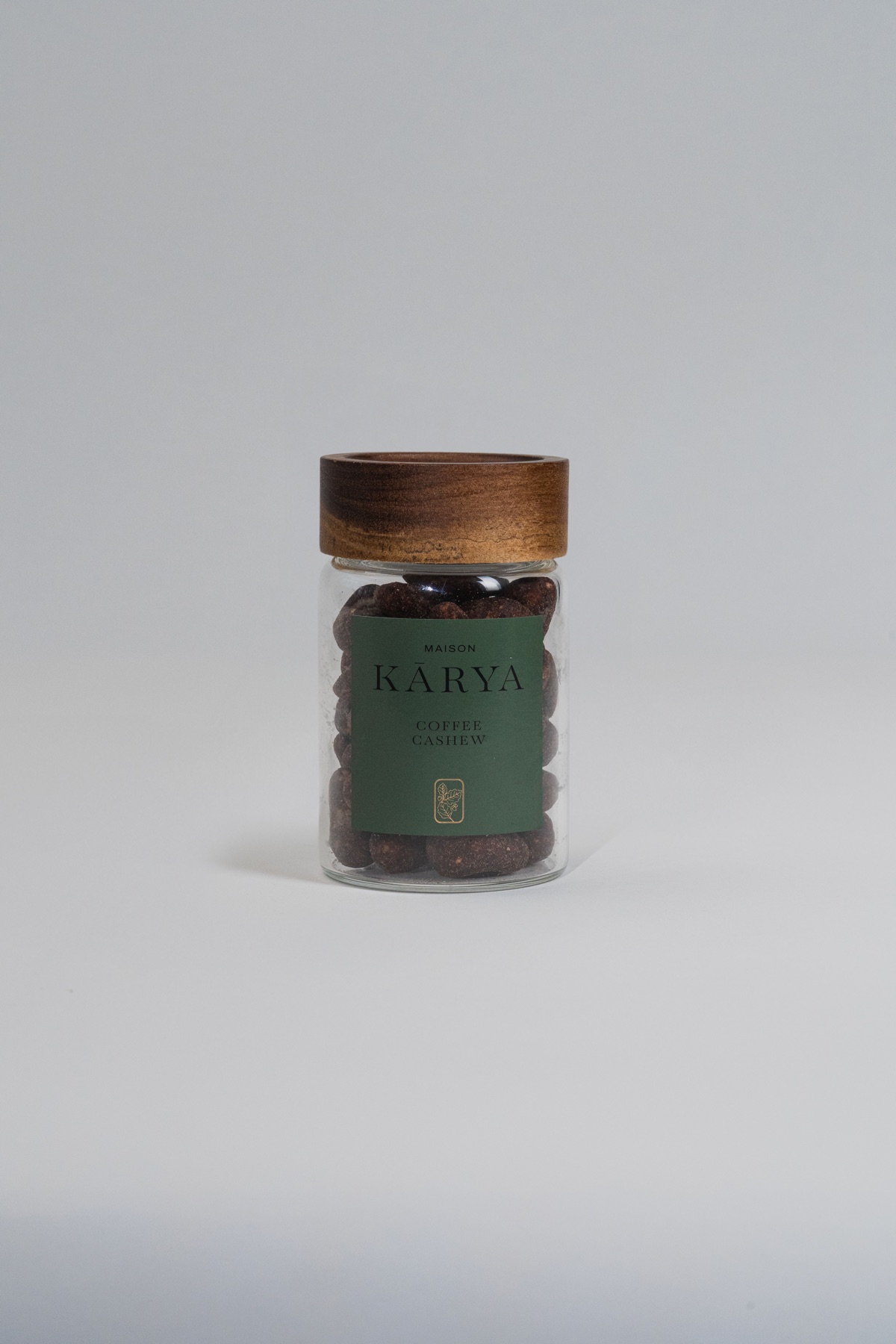
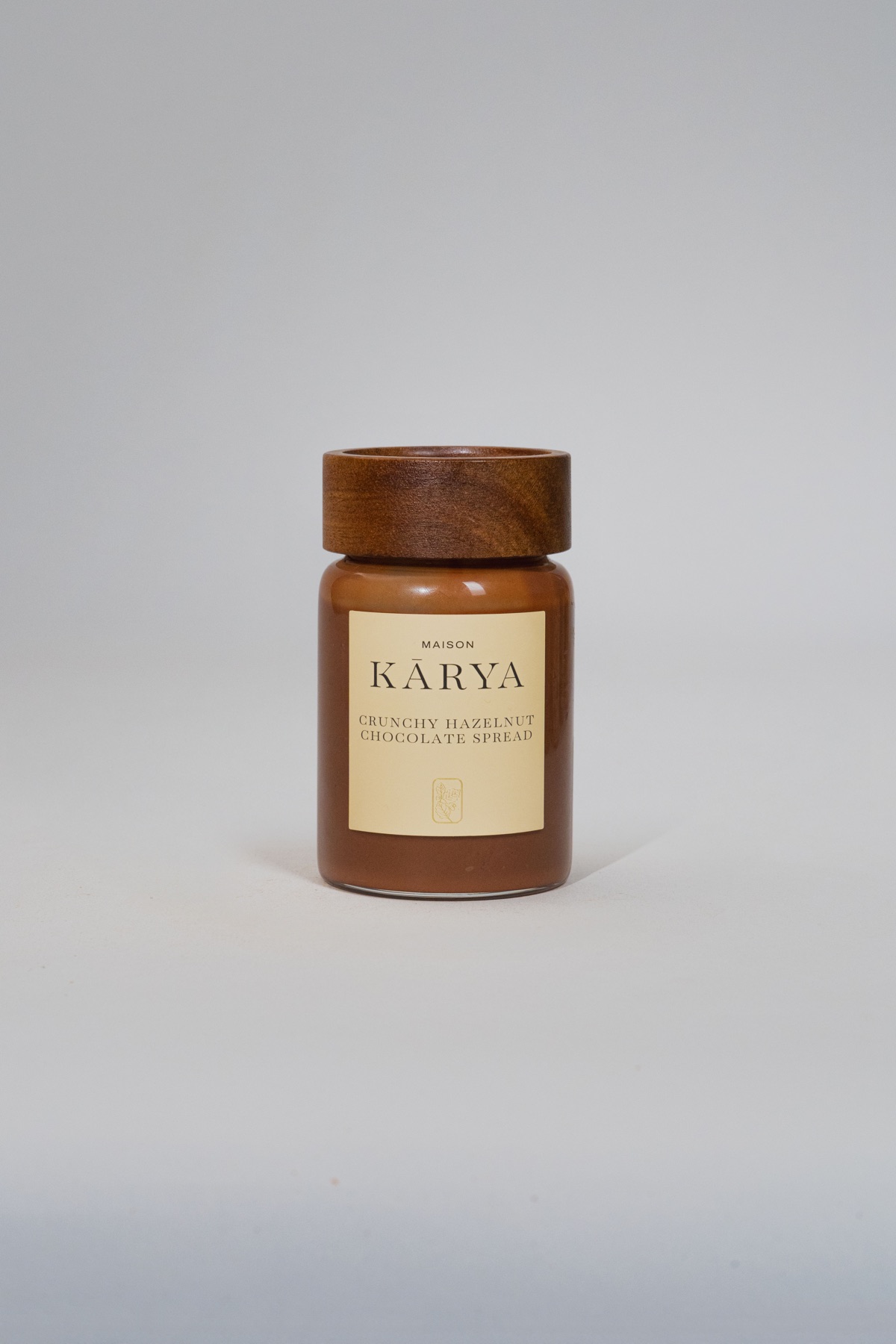
I developed a hybrid product-image workflow designed to turn a simple studio capture into a broader library of social-ready product visuals. The product was photographed against a plain screen so I could begin with a clean, reliable reference while keeping the packaging, proportions and materials grounded in a real object.

TOOLS USED

Controlled studio photography; retouching; ComfyUI-based image workflows; multiple generative image models for image-to-image exploration; Magnific for detail enhancement and final-resolution output.

APPROACH

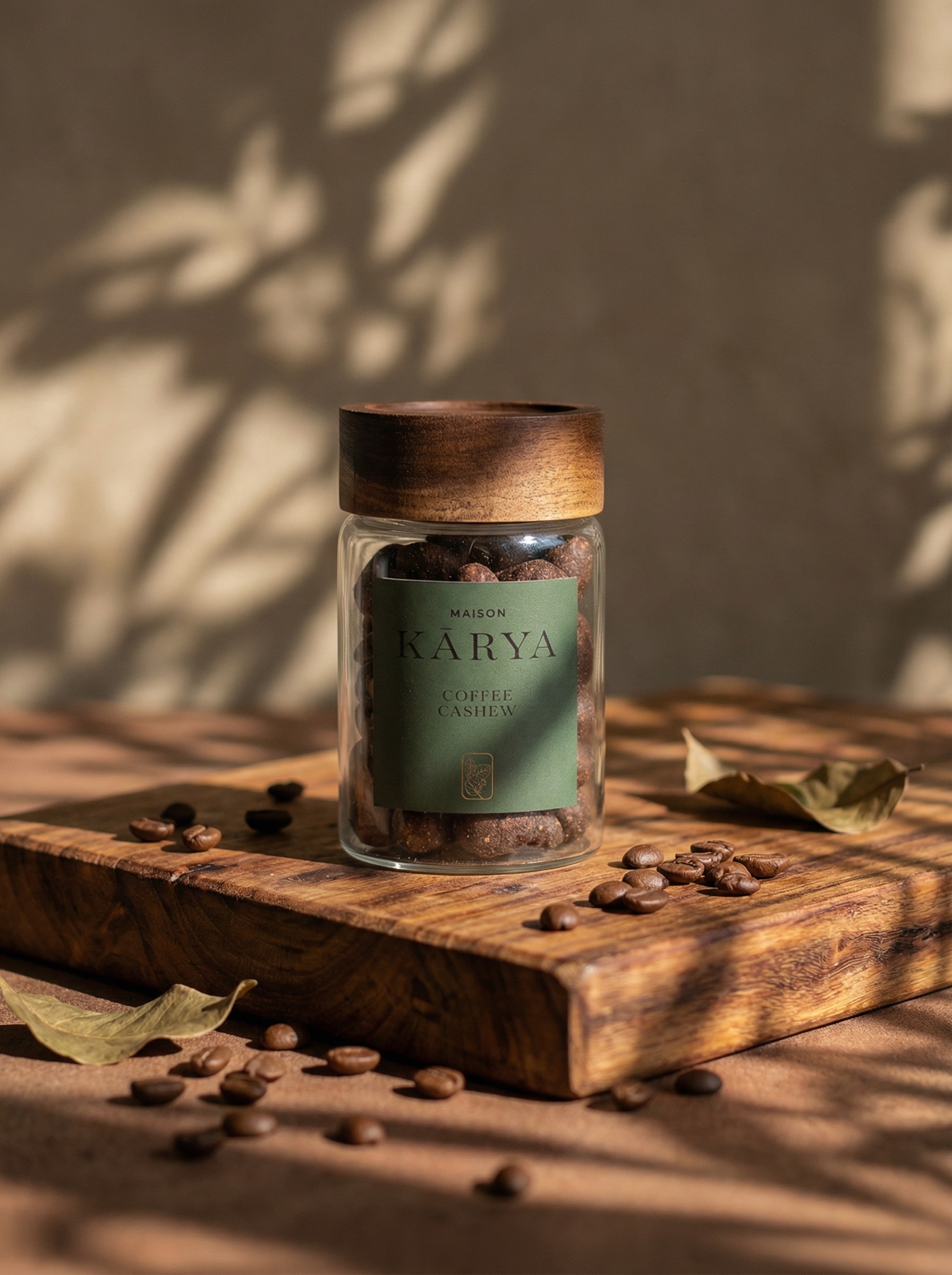
I first created clean base photographs with neutral lighting and minimal background information. I then used the product captures as structural references across several AI image models, testing different ways to build settings, props, lighting and mood around the original pack shot. I compared each model for product fidelity, realism and art-direction control, then refined the strongest outputs through targeted iterations and finishing. The aim was not to replace photography, but to combine the accuracy of a real shoot with the speed and creative range of generative production.

OUTCOME

The workflow produced a flexible series of styled product images from a small set of controlled source photographs. It demonstrates how I can extend one shoot into multiple content directions for social media while maintaining a recognisable product. The images shown pair the plain-screen captures with the finished AI-assisted scenes.
(02)

END-TO-END STORYTELLING / STORYBOARD + VIDEO

One-person AI production, from character to final sound

FINAL VIDEO / 01:20Concept, character design, storyboard, image and video generation, audio, SFX and editing by me
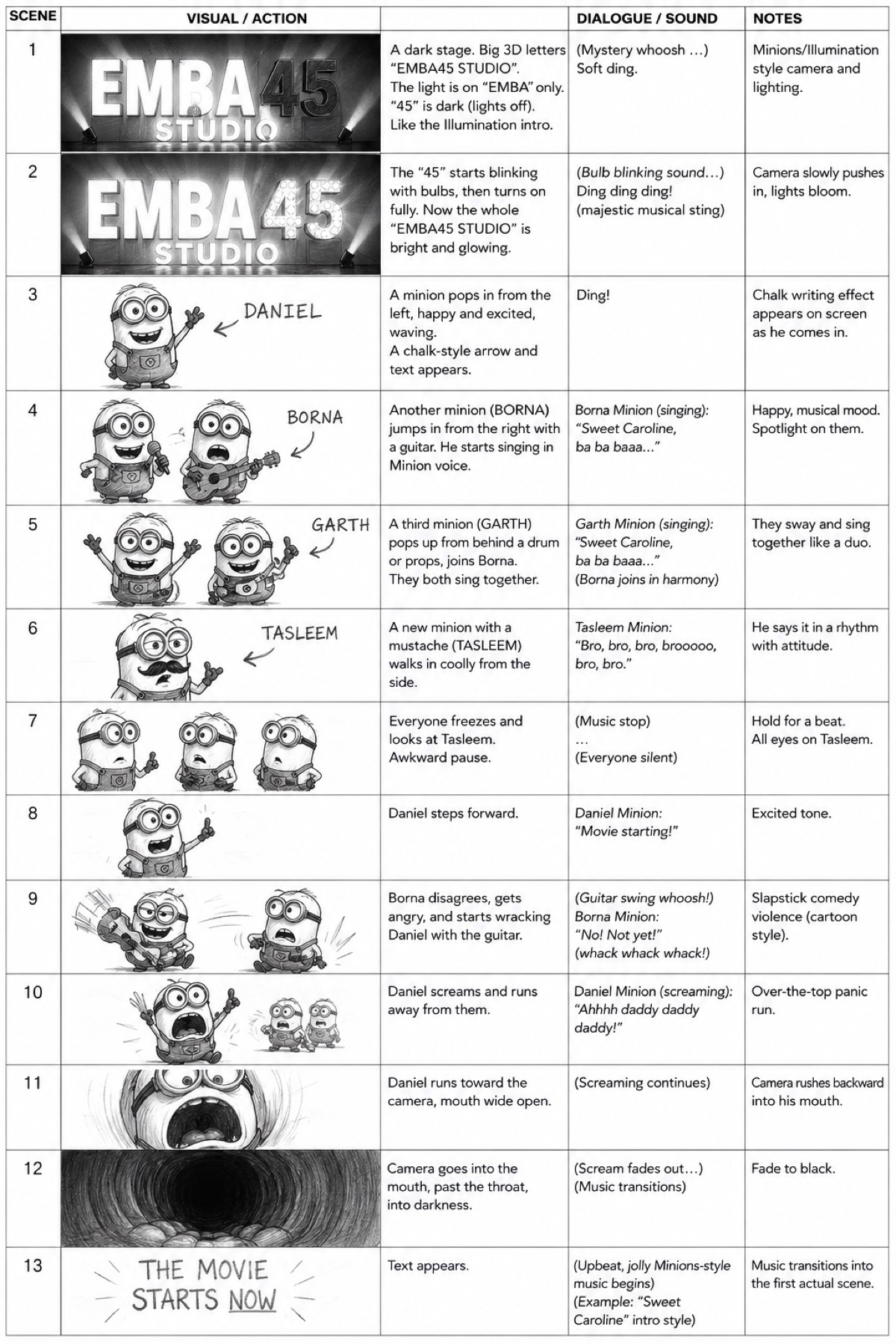
Thirteen-scene storyboard with visual action, dialogue, sound and camera notes
STORYBOARD / PRODUCTION MAP13-scene production storyboard covering action, dialogue, sound, timing and camera direction

PROJECT CONTEXT

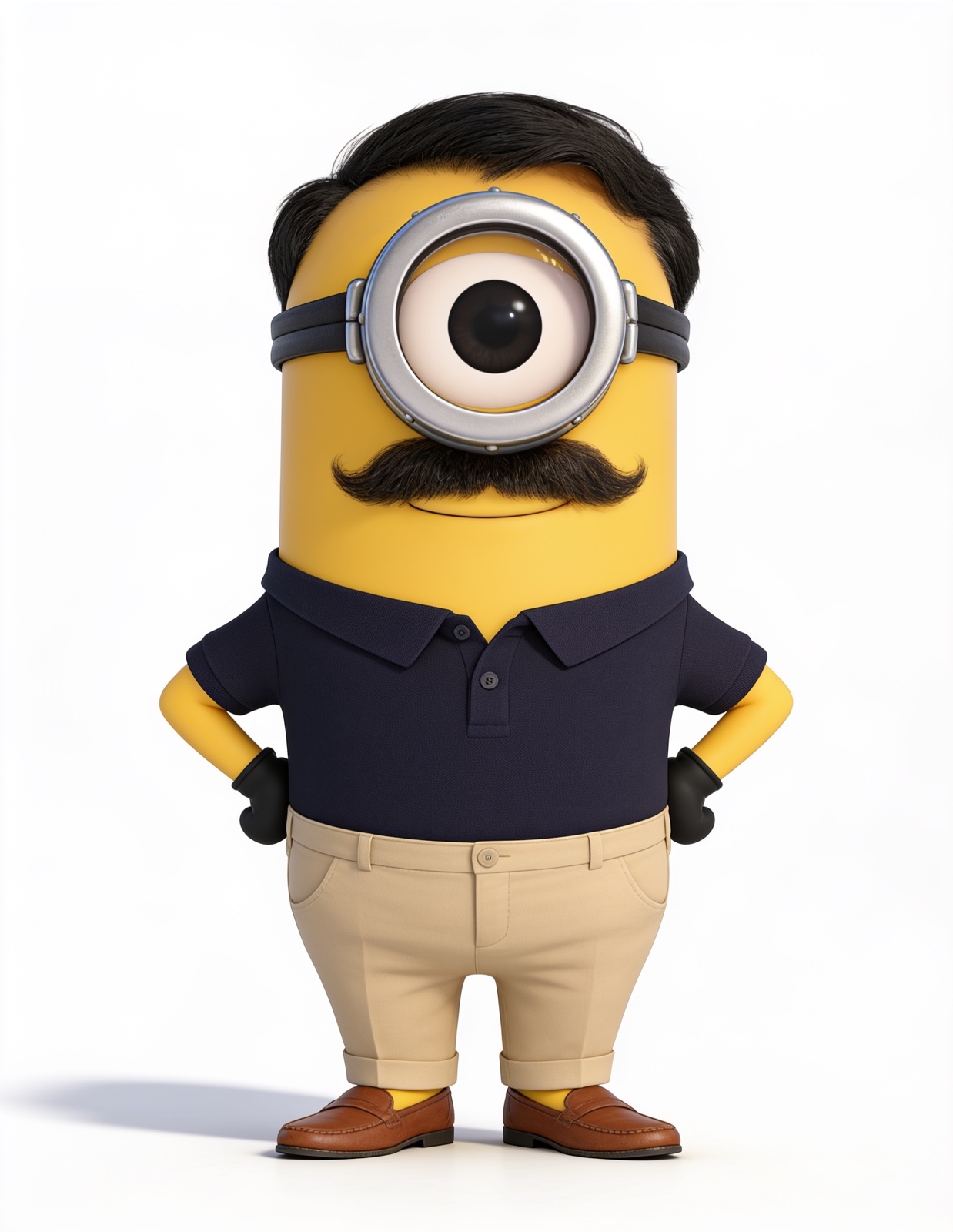
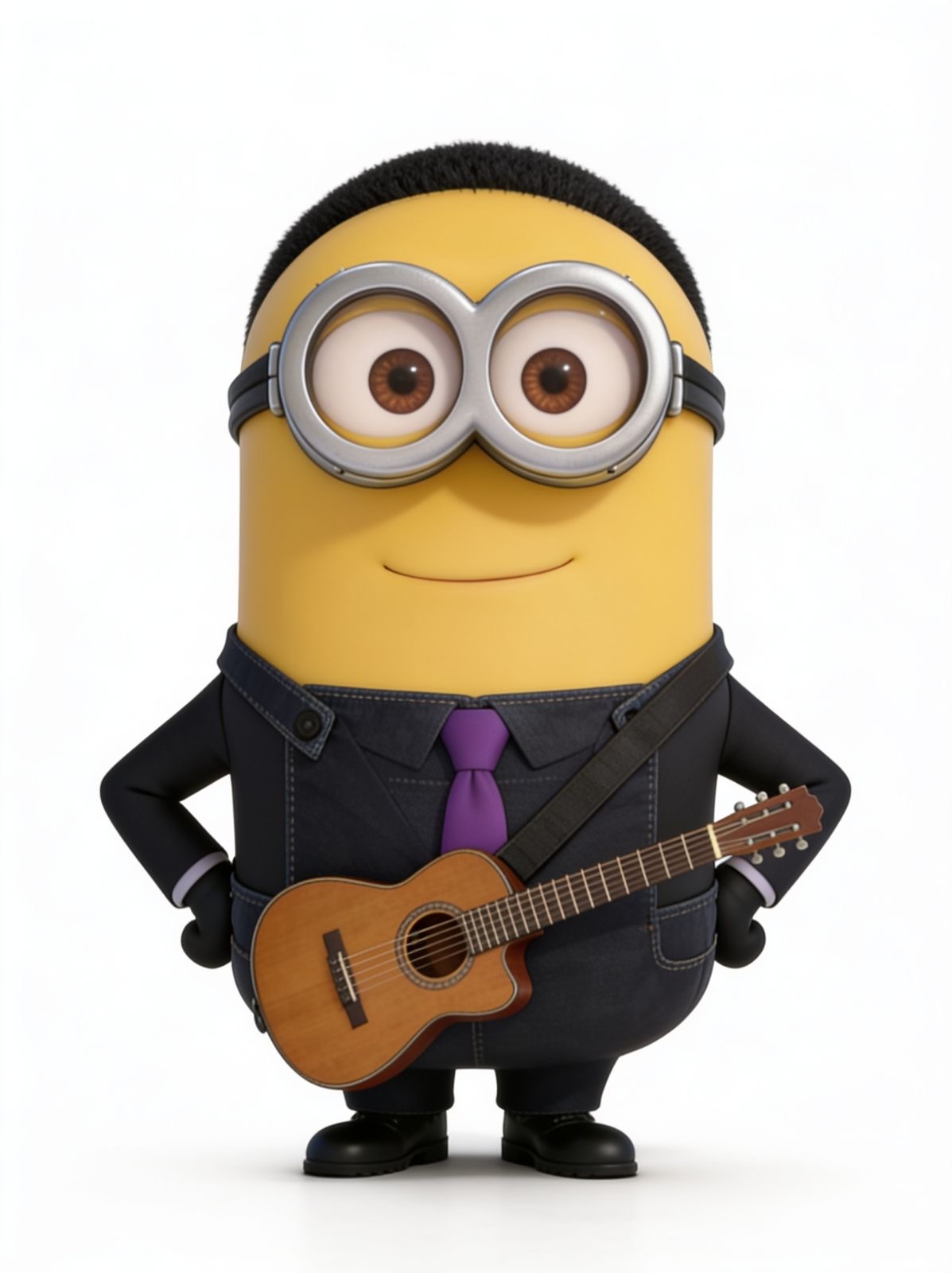
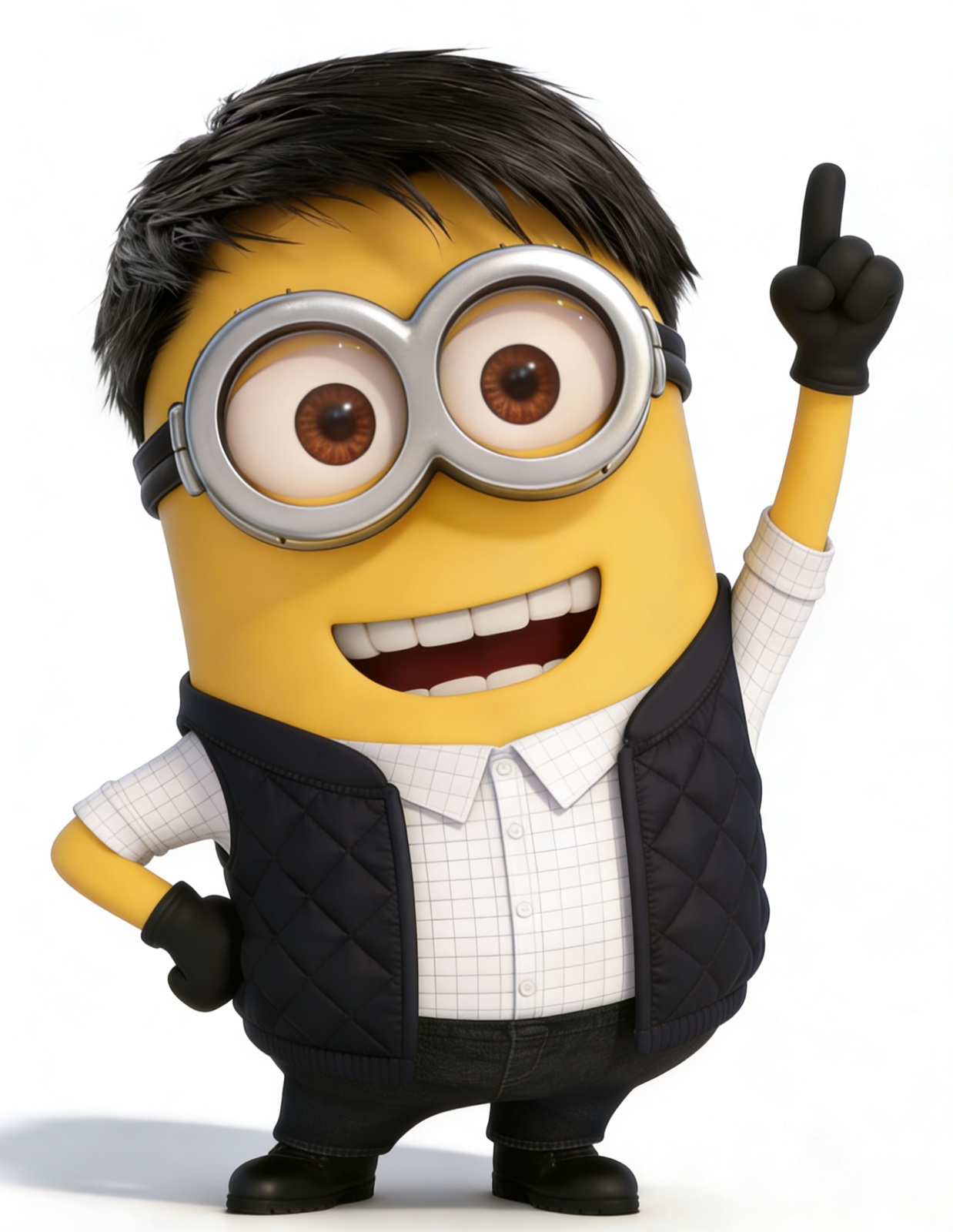
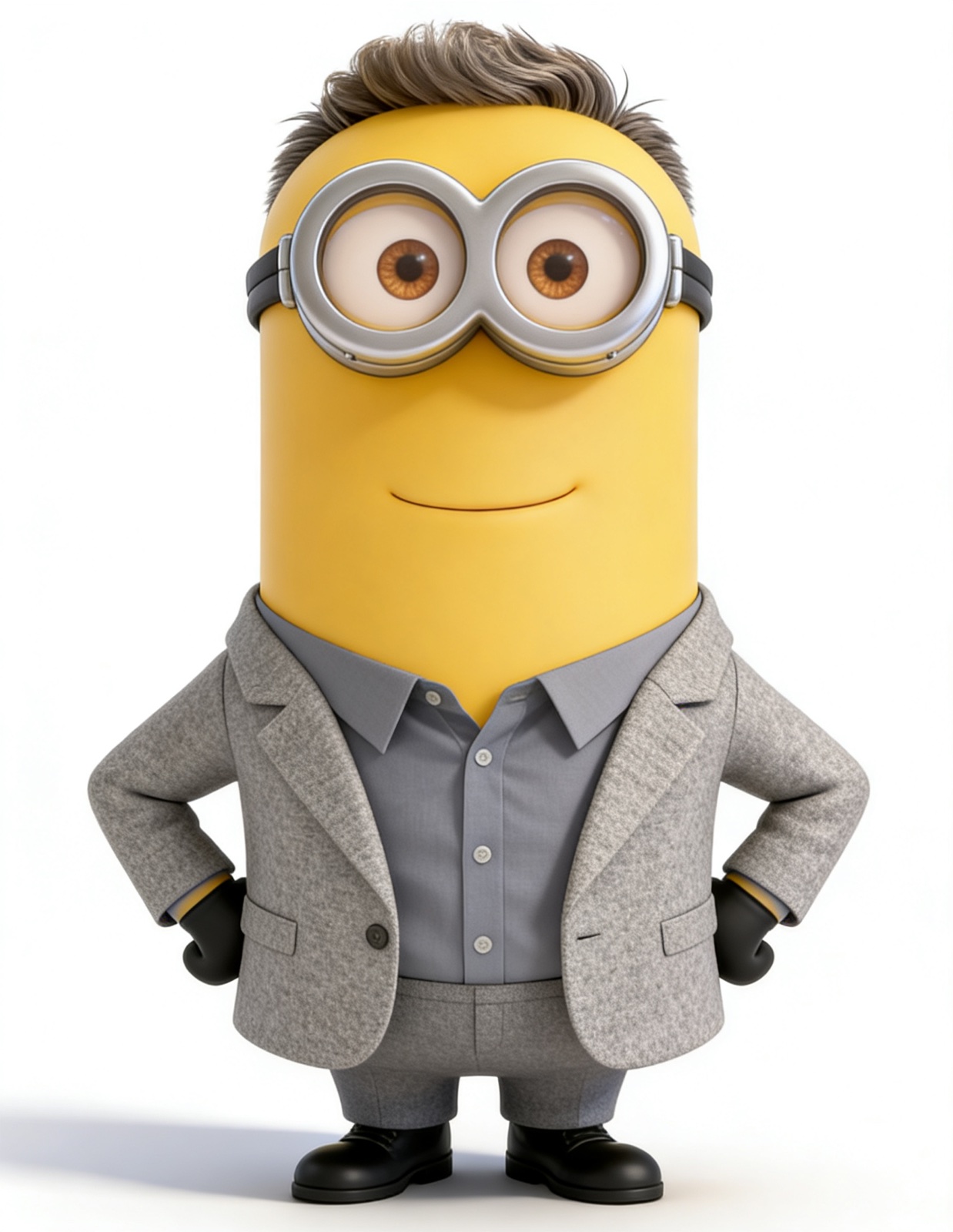
I developed a character-led video as an independently managed AI production. Four bespoke characters were designed from the visual traits and personalities of real people, translated into a playful Minions-inspired world. I used the storyboard as the production backbone, defining character roles, comic timing, camera movement, dialogue, music cues and sound effects before generating the final scenes.

TOOLS USED

Claude, Gemini and DeepSeek for concept development and planning; Midjourney and ComfyUI for character and image development; Seedance and Kling for motion; AI audio tools for voice, music and SFX; editing tools for assembly and finishing.

APPROACH

I owned every stage of the pipeline: story development, character design, shot structure, storyboard, image generation, video generation, audio, SFX and final editing. I broke the narrative into numbered scenes with visual action, dialogue, sound and production notes, then used that structure to monitor progress, identify missing shots and control continuity. I tested outputs against character consistency, performance and pacing, revised weak scenes and kept the project moving without external task management.

OUTCOME

The result is an approximately 80-second film that I produced and edited independently from concept to final sound. The finished demo, character studies and storyboard show how I turn an open-ended idea into a production-ready sequence, manage milestones and carry a multi-stage AI project through delivery. Before public sharing, I would confirm participant consent and third-party style or music clearance.

(03)

INFORMATION DESIGN / ART DIRECTION + AI

AI infographics, independently art-directed

PROJECT CONTEXT

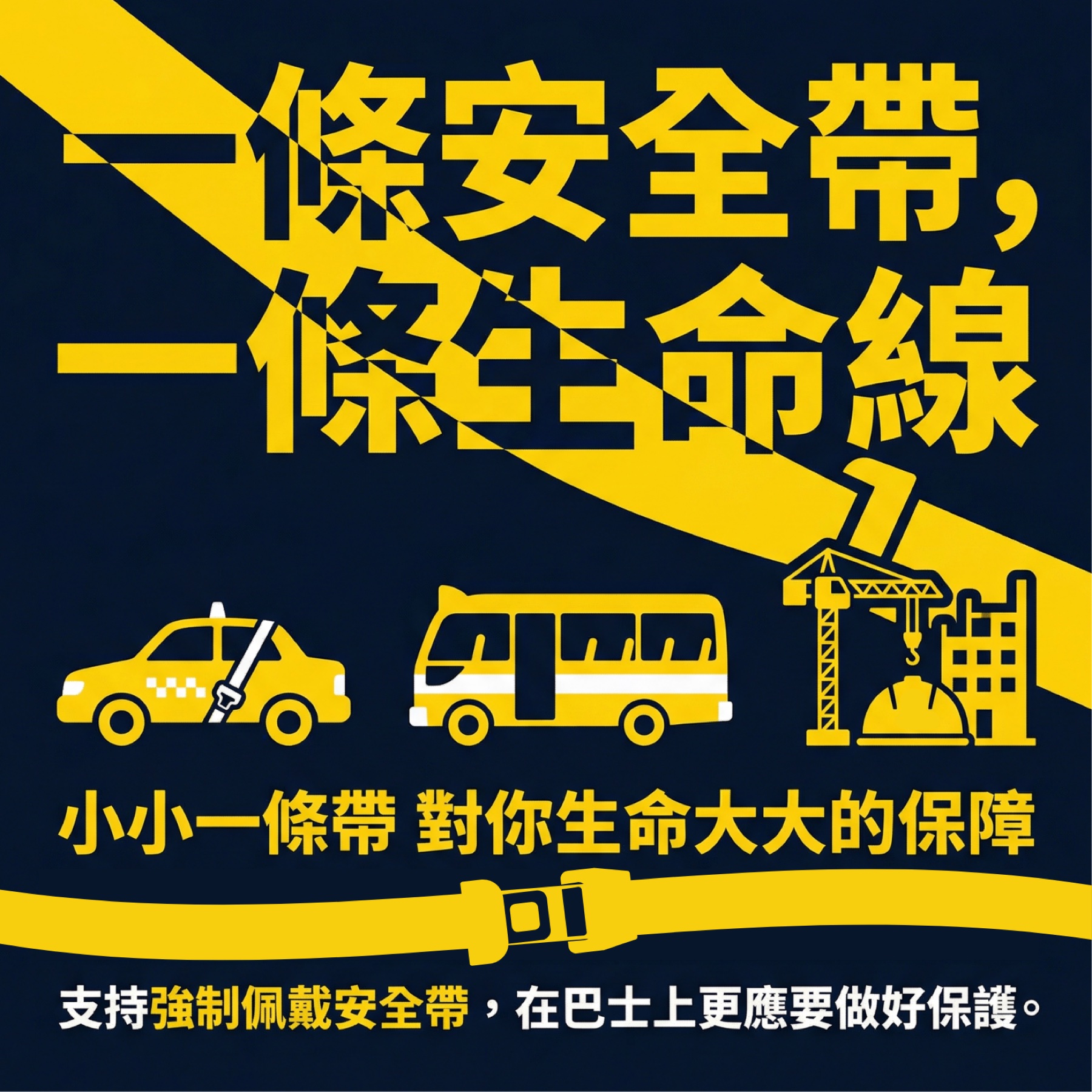
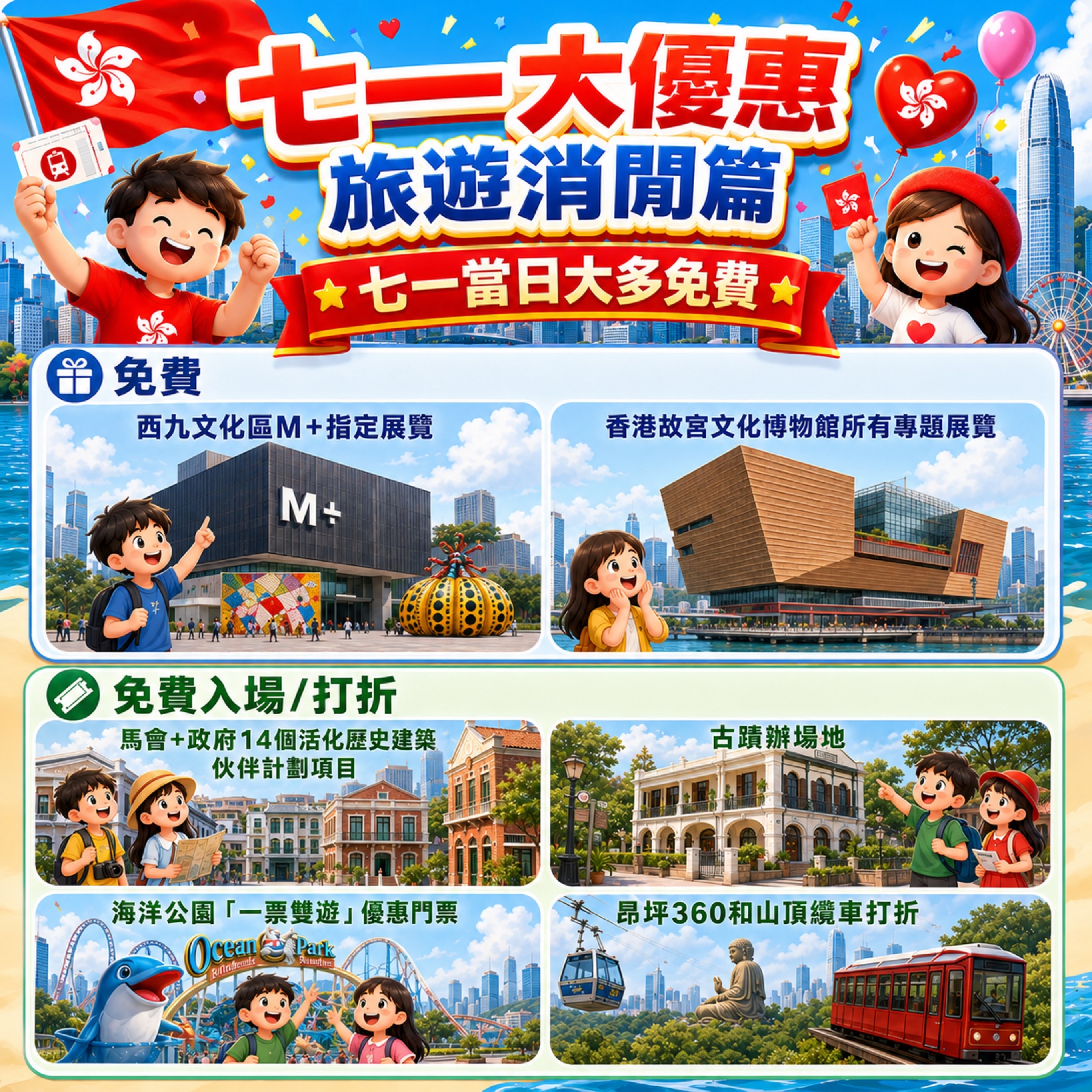
I created these infographics as independently directed, AI-driven visual communication projects. Each began with a practical information challenge—making public-safety guidance or a dense list of travel offers quick to scan, easy to remember and visually suited to its intended audience.

TOOLS USED

Claude, Gemini and DeepSeek for research support and content structuring; generative image models for illustration and visual development; AI-assisted typography exploration; layout and image-editing tools for hierarchy, checking and production-ready finishing.

APPROACH

I handled the full process myself: research, information hierarchy, copy structure, art direction, visual system, image generation, layout and final checks. I first identified the one message the audience needed to retain, then organised supporting details into a clear reading order. I used AI to accelerate visual exploration while actively reviewing text accuracy, icon meaning, contrast, legibility and consistency. I also set my own milestones, monitored open tasks and revised the work until the information and visual tone supported each other.

OUTCOME

The finished pieces translate different kinds of information into distinct but accessible visual systems: a bold safety message built around one memorable symbol, and a modular travel guide organised for comparison. Together, they demonstrate end-to-end ownership, audience awareness and the discipline to manage AI-generated content as a communication product rather than a one-off image.

PERSONAL AI BUILD / PRIVATE PROTOTYPE

AI IN EVERYDAY LIFE ✳

CAL LO MI
卡路mi

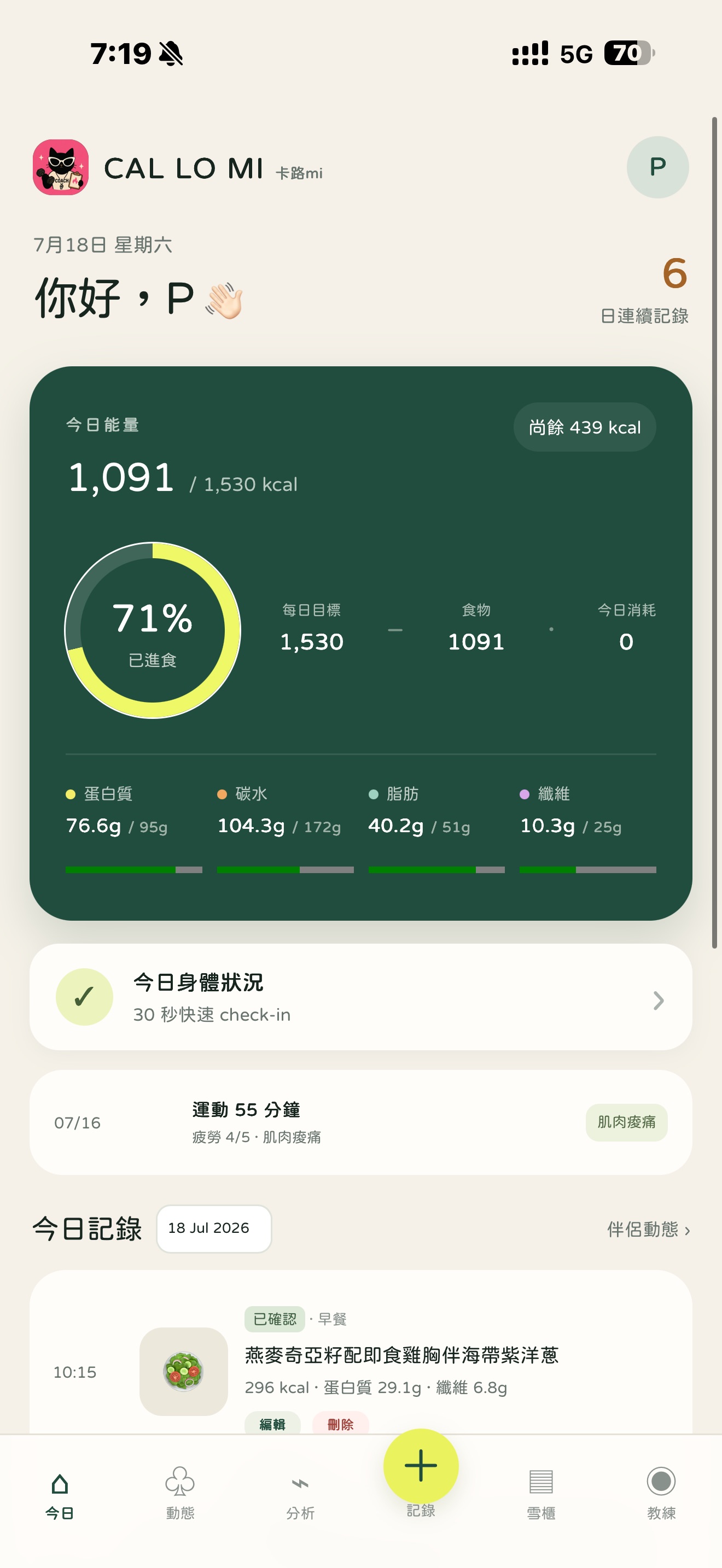
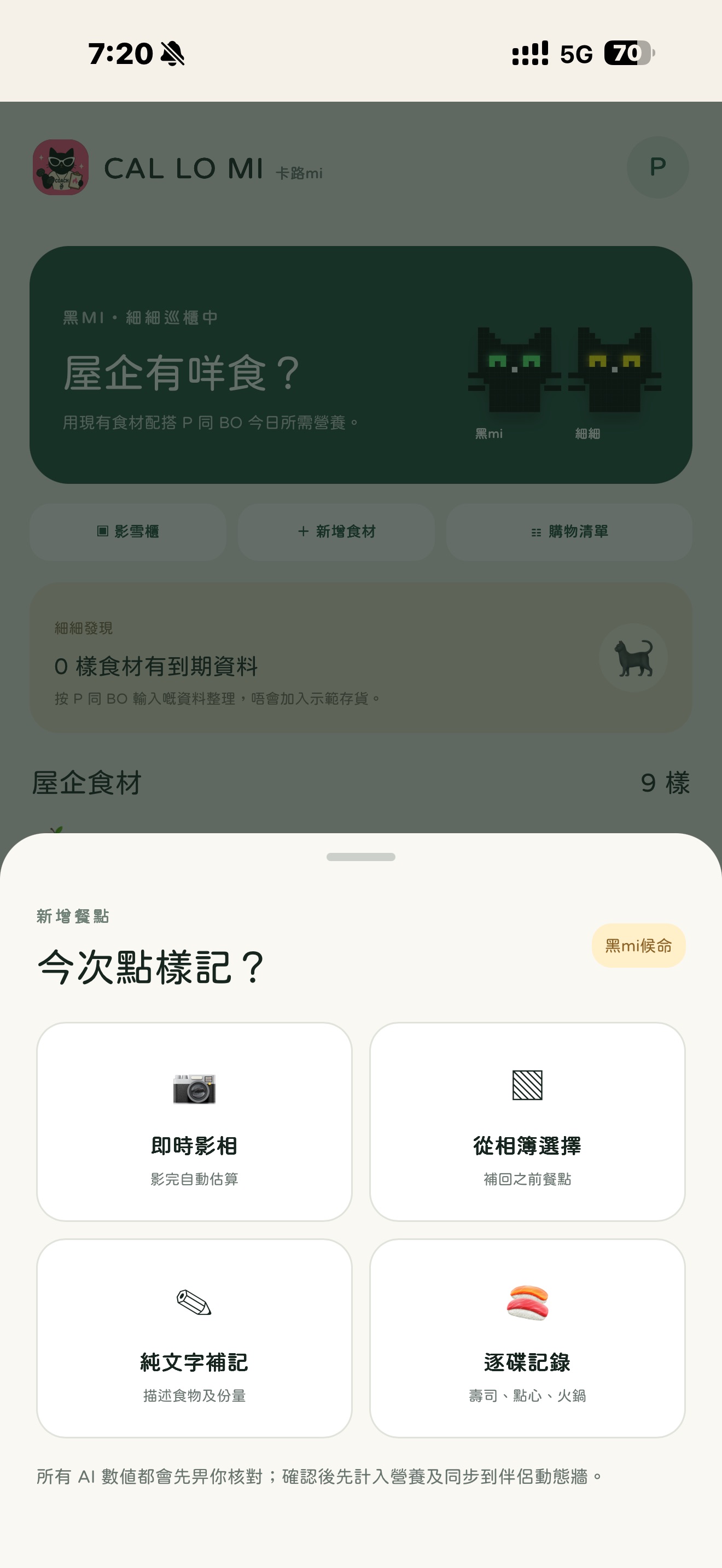
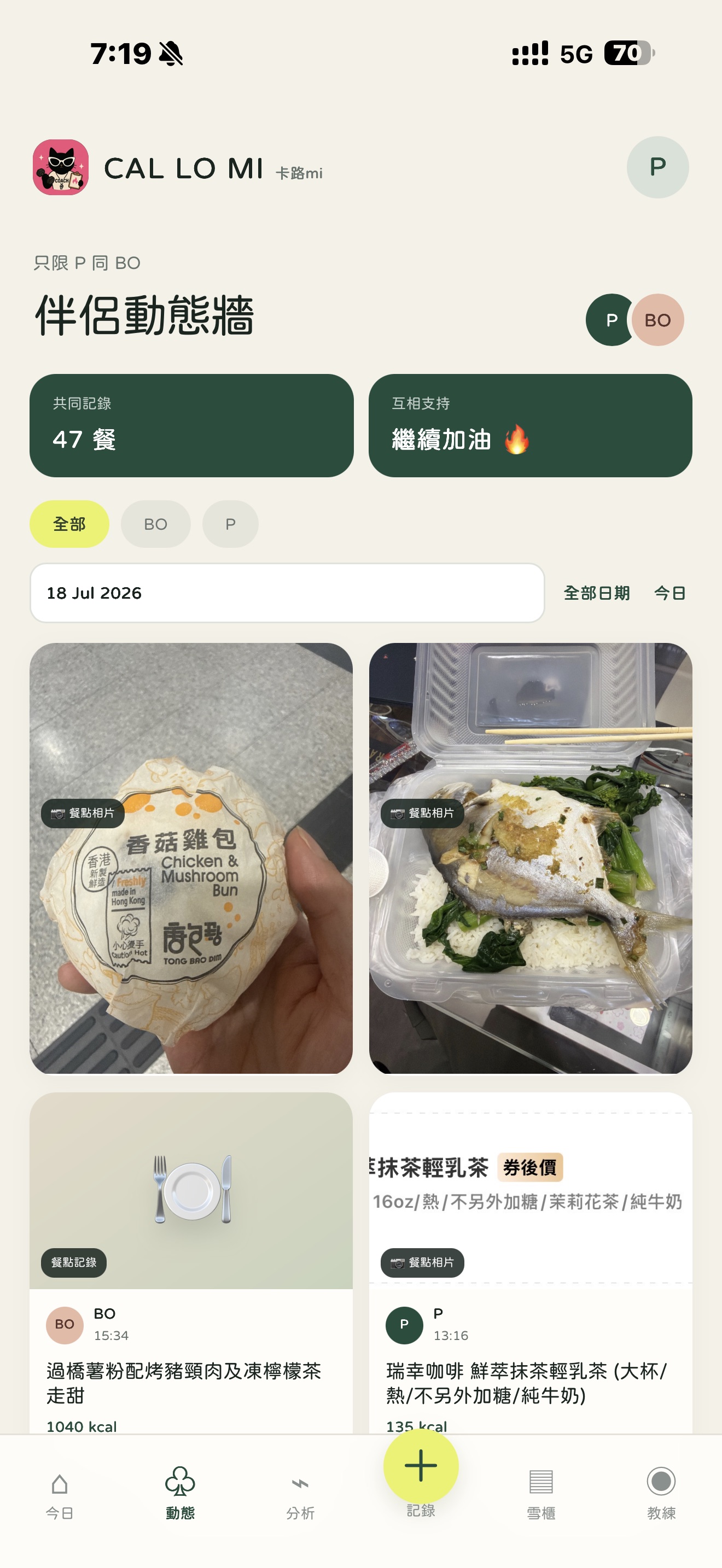
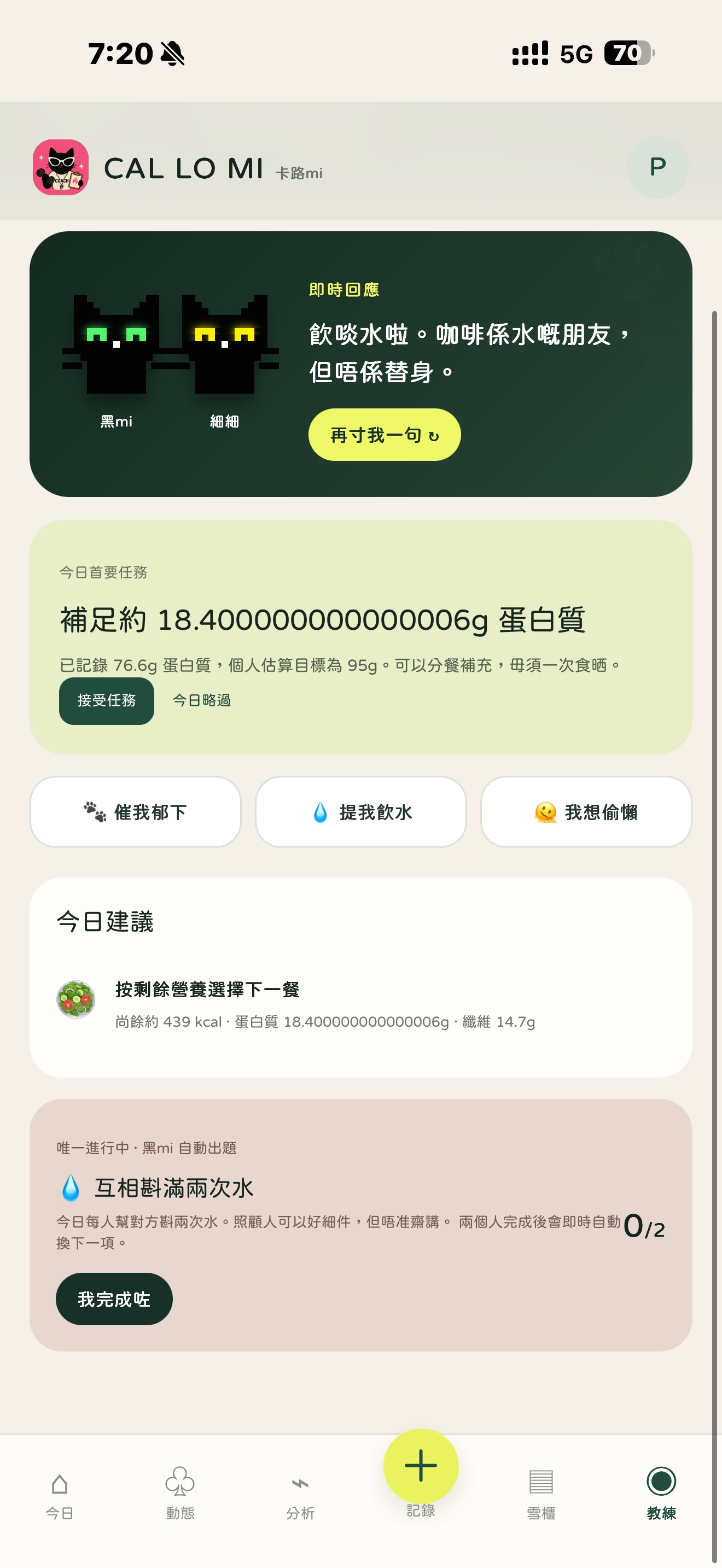
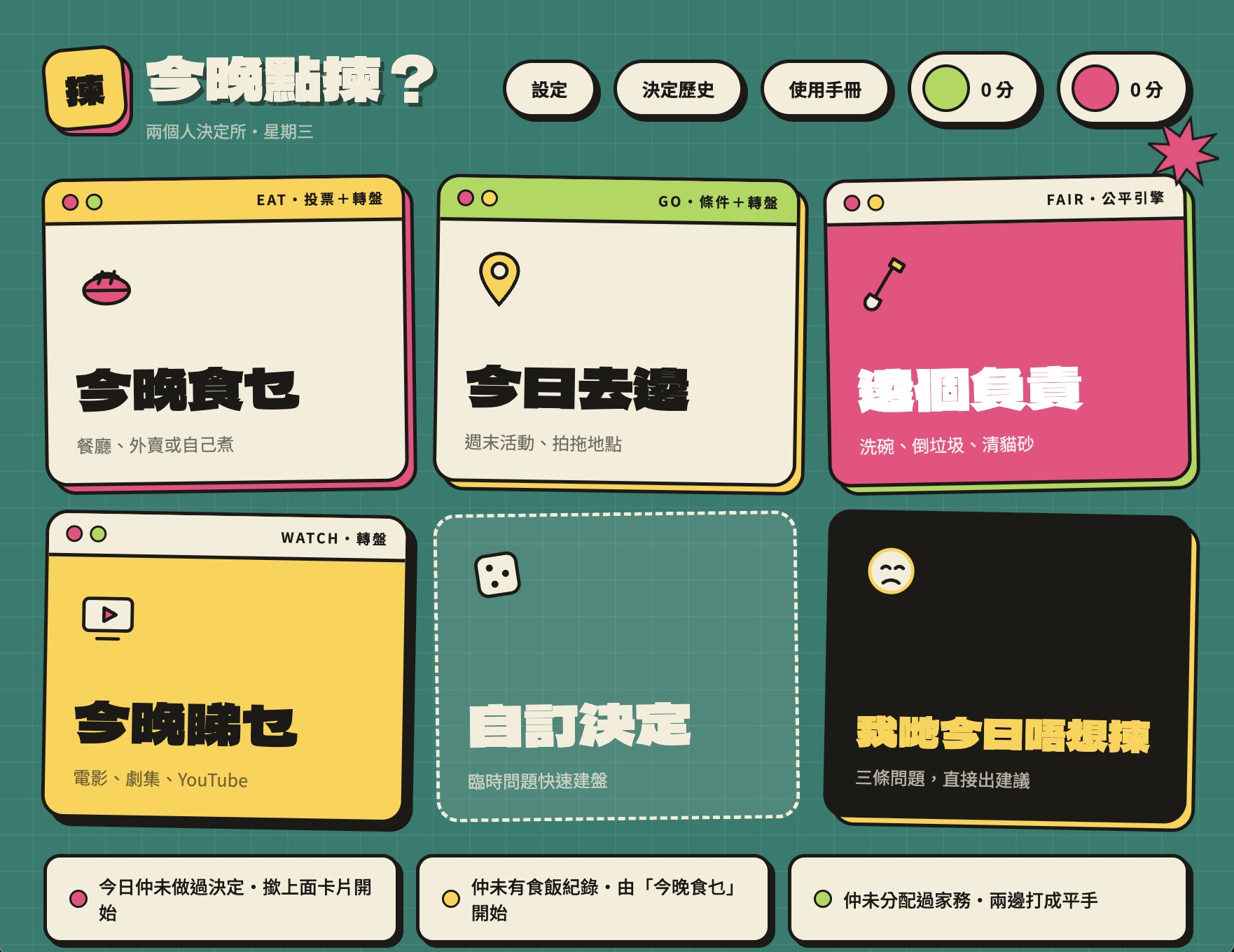
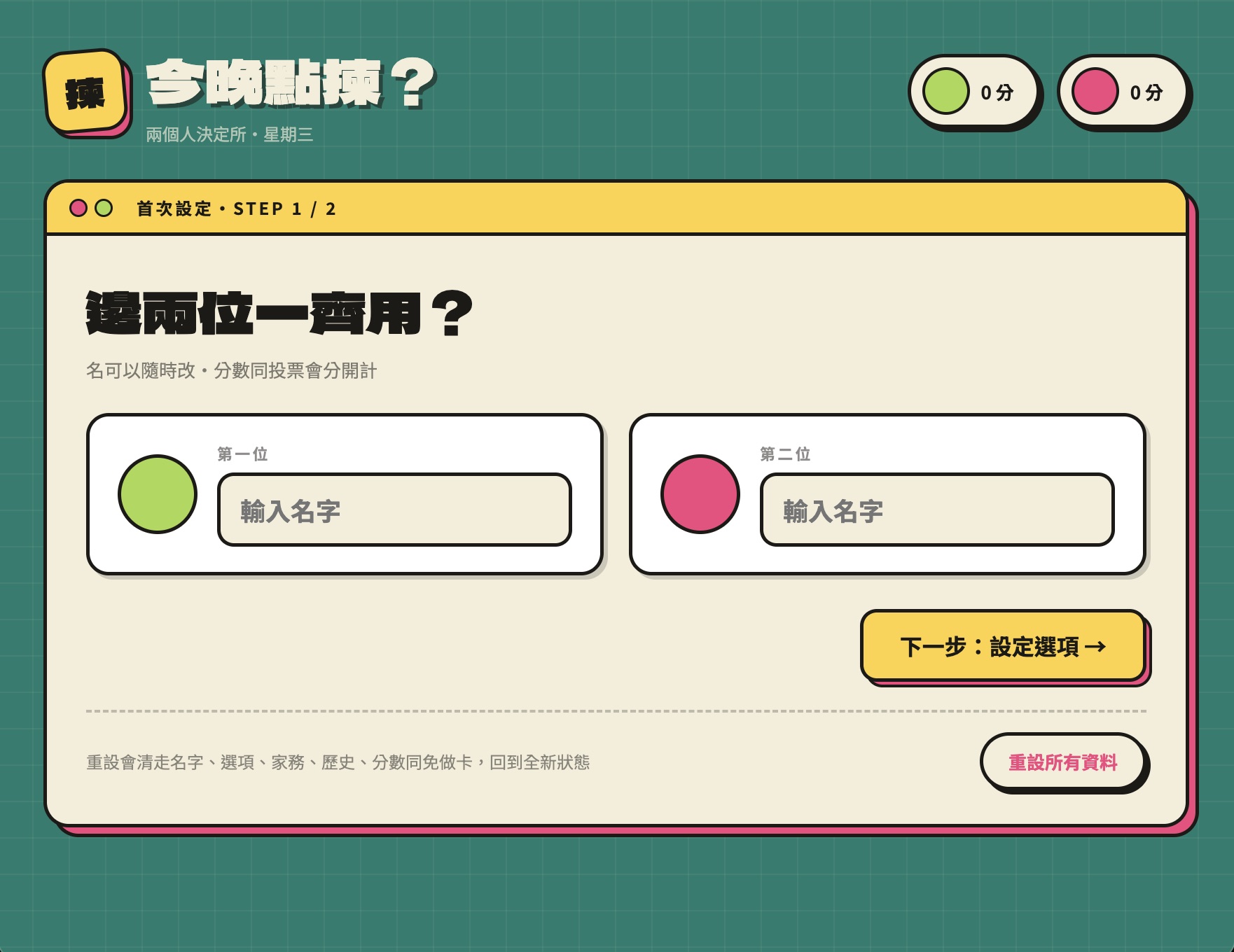
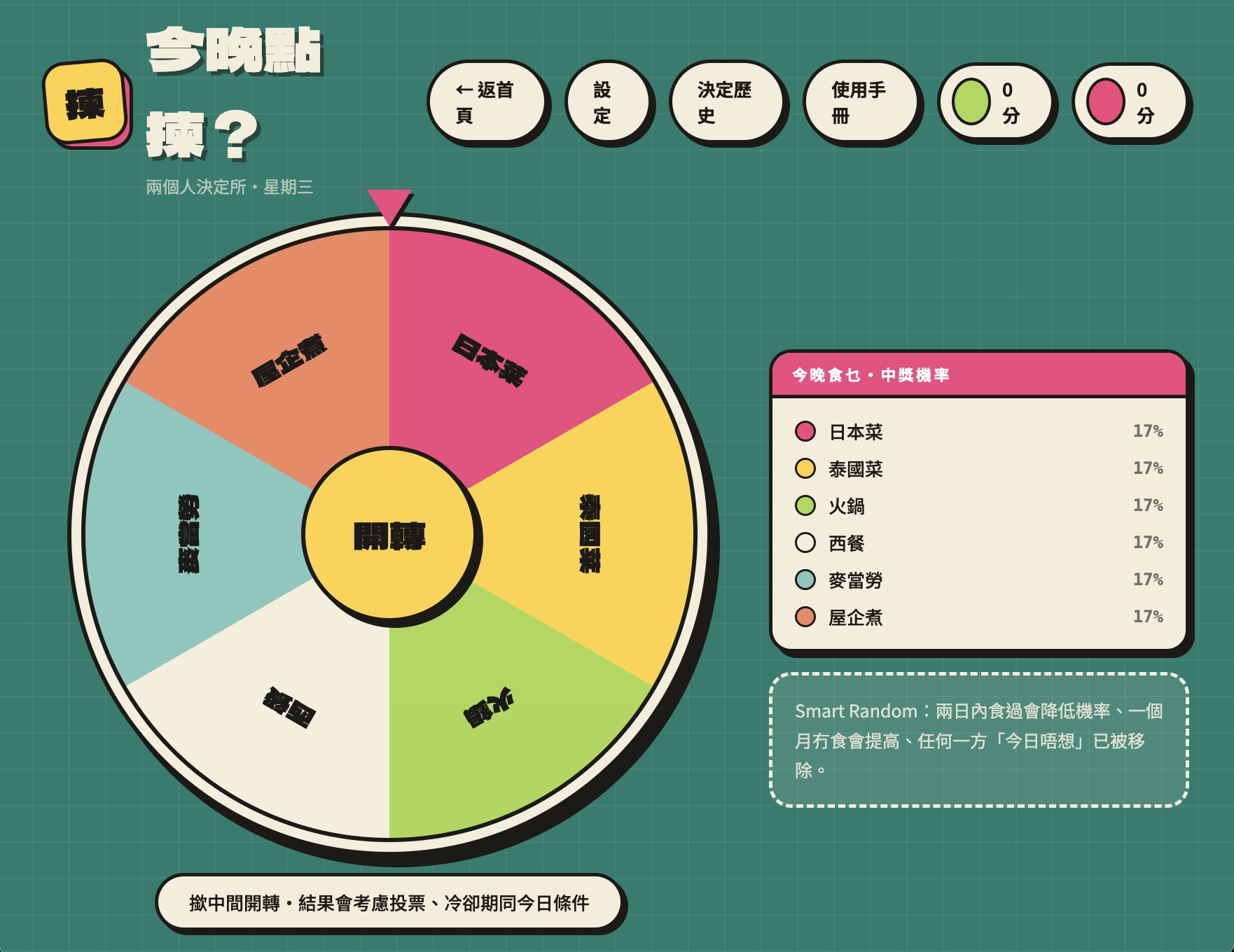
I built CAL LO MI for my husband and me: a mobile-first health app that turns everyday food photos or descriptions into AI-assisted nutrition estimates for the user to review and confirm. It brings calorie and macro tracking, TDEE and NEAT, daily condition check-ins, partner interaction, shared food planning and playful Cantonese coaching into one personal experience.

The project reflects how I naturally engage with emerging technology. I identify a real-life need, shape the product logic and personality, then build and test an AI-driven experience around the people who will actually use it. It is a personal prototype, but it demonstrates practical product thinking, responsible human confirmation and my enthusiasm for making AI genuinely useful.

AI FOOD RECOGNITIONPARTNER EXPERIENCESHARED FRIDGE + RECIPESCANTONESE AI COACHES
Nutrition dashboard with daily calorie and macro progress
01 / DAILY DASHBOARD
Meal entry options including instant photo and text description
02 / AI MEAL INPUT
Partner activity feed showing a shared meal photo
03 / PARTNER FEED
Body and nutrition analysis with activity references
04 / HEALTH ANALYTICS
Shared fridge inventory and food planning screen
05 / SHARED FRIDGE
Cantonese black cat AI coaches giving personalised guidance
06 / AI COACH

← DRAG OR SWIPE TO EXPLORE THE PRODUCT →

AI ECOSYSTEM OBSERVATIONS

What four years
in the trenches
has taught me.

Working across Midjourney, Seedance, Kling, ComfyUI, Claude, Gemini, Magnific and DeepSeek every week has given me a specific kind of literacy: not just how to use each tool, but how they compete, where they overlap, and what commercial workflows they actually enable.

01

Tool landscape.

The image-generation space has moved from single-model dominance to specialised stacks—Midjourney for stylised concept, Gemini for prompt adherence, Magnific for high-fidelity finish, and ComfyUI for granular control. Video is now competitive across Seedance and Kling for short-form. The Chinese and Western tool ecosystems are diverging in interesting ways—a dynamic under-appreciated in Western coverage.

02

Commercial pattern.

The projects that succeed commercially are the ones where AI extends existing production capacity rather than replacing it—hybrid workflows, not full automation. Clients still value human judgment on brand fit, taste and final approval.

03

Where AI meets Web3.

The convergence I find most interesting: on-chain provenance for AI-generated assets, generative content pipelines for gaming and digital collectibles, and AI-assisted worldbuilding for open-metaverse experiences. This is where I think Animoca’s positioning across gaming, tokenisation and AI investment creates real partnership opportunity—and where I would want to contribute.

WHAT I BRING TO A WEB3 BD ROLE

Creative fluency.
Commercial focus.

AI production has taught me how to connect emerging technology with outcomes that people can understand and use. I translate between creative, technical and commercial stakeholders, turn open-ended ideas into workable plans, and keep momentum through testing, feedback and delivery. Those skills transfer directly to Web3 business development, where strong partnerships depend on clear communication, curiosity and credible execution. I understand how visual storytelling helps unfamiliar products earn attention, especially when the audience spans brands, creators, communities and technology teams. I can support a partner from first conversation through concept development, internal alignment and launch, while staying alert to new tools and market shifts. For a company such as Animoca Brands, I would bring hands-on knowledge of AI content production alongside a genuine interest in digital ownership, gaming and culture. My value is not only knowing the tools; it is helping people see where they can create practical, shared opportunity.